

Choose the approach for the asset
Each property type presents a different set of questions to buyers. We establish the property’s income, condition, lease structure and capital requirements before recommending how to position it.
- Multifamily investment sales: apartment buildings and residential portfolios.
- Mixed use investment sales: residential and commercial income evaluated together.
- Retail investment sales: tenant income, lease terms and the property’s commercial position.
- Industrial investment sales: income, building functionality and tenant requirements.
- Portfolio sales: compare selling together, in selected groups or through individual transactions.
Prepare the information before bringing it to market
Buyers need to understand how the property operates today and what would change under their ownership. We organize the financial information, leases, property records and capital history so the offering has a documented foundation.
Proposed rent growth, renovation plans and other opportunities should be distinguished from current income. A clear account of what is already complete and what remains to be done helps buyers evaluate the investment and ask more useful questions.
Match exposure and execution to the owner’s objectives
We discuss the appropriate buyer audience and whether broad marketing or selective exposure fits the assignment. Tours, information requests and follow up should support a coordinated process while respecting the owner’s confidentiality requirements.
Offers are compared on price and execution: financing, contingencies, deposits, diligence needs and the closing schedule all matter. Once terms are agreed, we coordinate the brokerage work and communication with ownership, counsel, the buyer and the other professionals involved.
Begin with your location and intended timing
Explore our regional coverage, or review our completed transactions for published examples of the firm’s work.
If you are still evaluating whether to sell, begin with advisory services or a broker opinion of value. If a sale may fund another purchase, consider the 1031 process early, with your exchange professionals involved before the sale closes.
Multifamily investment sales
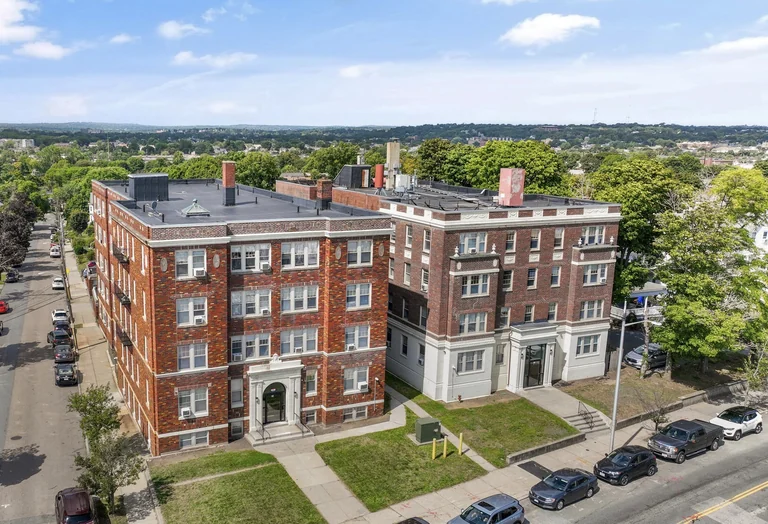
A strong sale strategy connects the building’s operating history with what a buyer can reasonably achieve. We review the rent roll, collections, recurring expenses, lease terms and capital needs before recommending positioning. Asking rents and projected improvements are identified separately from income the property already earns.
Ownership goals shape the process. A full exit, a partnership decision and a sale connected to a replacement purchase can require different timelines and different levels of market exposure. We discuss those priorities before asking you to make a listing decision.
- A current rent roll showing unit types, rents, occupancy and lease dates.
- Recent operating statements and a list of owner paid utilities.
- A summary of major improvements and known deferred work.
- Your preferred timing, confidentiality requirements and ownership objectives.
If you are still weighing a sale, start with a broker opinion of value. If several buildings are involved, our portfolio strategy process can compare selling together with separate dispositions.
Mixed use investment sales
A storefront and apartments above it can contribute income in different ways. Commercial lease length, renewal rights, reimbursement provisions and vacant space may affect a buyer’s view of the property as much as the apartment rents. We organize those details so the offering can be evaluated without relying on a single blended income figure.
Across the North Shore, a buyer reviewing a mixed use building should be able to distinguish residential income, commercial base rent, reimbursements and any owner occupied area. We identify where documents support the figures and where further verification is needed.
- Lease structure: expiration dates, options, rent adjustments, permitted uses and any guarantees documented in the leases.
- Operating expenses: which costs the owner pays and which costs the tenant is required to reimburse.
- Vacancy and rollover: the timing and cost of a possible tenant change, including leasing costs or work needed to prepare space.
- Building operations: utility metering, access, common areas and the interaction between commercial and residential uses.
- Property documentation: available plans, permits and use records for review by the buyer’s relevant professionals.
Retail investment sales
We help owners position income producing retail properties for sale. The offering should make the tenant mix, lease terms, renewal options, expense reimbursements and upcoming lease expirations easy to evaluate.
We connect that income profile with the property’s location, visibility, access, parking and condition. Current rent and collections are presented separately from assumptions about vacancy, future leasing or improvements, so buyers can understand both the existing operation and the work ahead.
Industrial investment sales
We represent owners selling income producing industrial properties. Alongside the leases, operating expenses and capital needs, we consider how the building serves its tenants and the buyer audience.
The property information should clearly describe available space, loading, clear height, power, site access and other relevant building features. We distinguish documented characteristics from items that need further diligence, and coordinate the sale process around the asset and the owner’s objectives.