

Organize the exchange team and the sequence
Before the sale closes, speak with a qualified intermediary and your tax and legal advisers about whether the proposed transaction can qualify and how the exchange must be structured. Do not assume the exchange can be arranged after receiving the sale proceeds.
Agree on the sale timetable, replacement criteria and financing plan. After the relinquished property transfers, your exchange professionals oversee the formal identification and exchange requirements while NSRA coordinates the property search, offers and brokerage work. Property diligence and lender requirements still need to be satisfied within the applicable schedule.
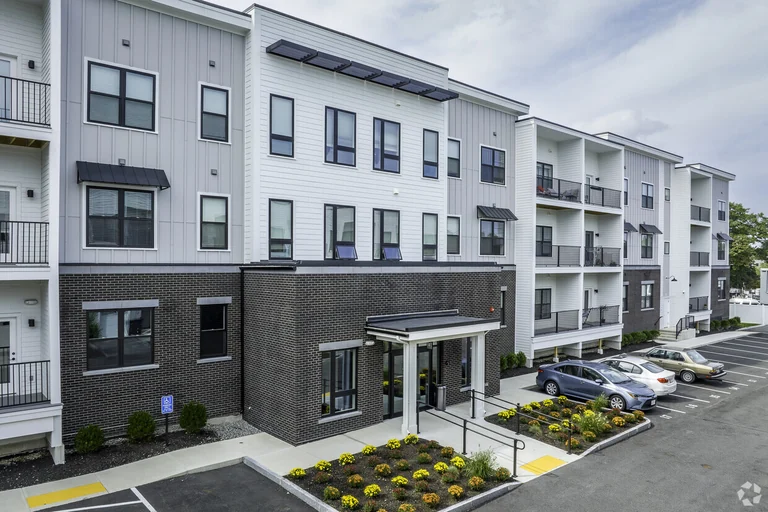
Define the investment before searching for it
Begin with a clear acquisition brief: target locations, purchase range, available equity, financing expectations, operating involvement and tolerance for renovation or vacancy. An owner selling a building in Essex County may want to remain nearby, consolidate several smaller properties or consider a different market. Those choices should guide the search.
We help screen opportunities against the brief so the discussion moves beyond asking price and advertised yield. The aim is a property that fits your investment objectives and can be evaluated within your transaction schedule.
Coordinate the real estate work
- Source: review available listings and relevant opportunities from our professional network, subject to availability.
- Underwrite: examine rents, collections, recurring costs, capital needs and financing assumptions.
- Evaluate alternatives: compare credible backup opportunities rather than relying on a single prospective purchase.
- Coordinate: organize tours, information requests, offers and diligence with your advisers and lender.
Availability changes. A property discussed during an initial search is not reserved, and no search can guarantee that a suitable replacement will be secured.
Keep responsibilities and timing clear
For a typical deferred exchange, IRS guidance provides 45 days after transfer of the relinquished property to identify replacement property. Receipt is generally required by the earlier of 180 days after that transfer or the tax return due date, including extensions. Your qualified intermediary and tax adviser should confirm the requirements and dates for your circumstances.
NSRA does not act as your qualified intermediary or hold exchange funds. Your legal and tax advisers determine eligibility, identification compliance and tax treatment. Our work concerns the property search and transaction. See the IRS instructions for Form 8824 for the underlying requirements.
Prepare for a useful first conversation
Share the location and expected timing of your sale, your purchase criteria, financing plan and the professionals already involved. Discuss tax and ownership questions directly with those advisers before committing to a replacement strategy.
Read our North Shore replacement property planning guide, browse current opportunities, or explore portfolio strategy if you are deciding whether to sell one asset or several.